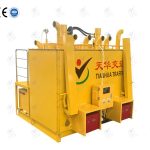
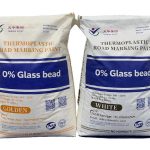
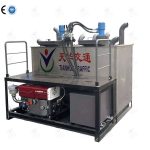
A thermoplastic road marking machine supplier provides equipment for contractors and road safety companies that need reliable machines for hot melt pavement marking work. These machines are used to apply heated thermoplastic material onto prepared road surfaces, creating visible and durable traffic lines for different construction environments.
The right supplier should understand different marking applications, such as highway lane lines, urban road markings, parking lot layouts, pedestrian crossings, airport ground markings, factory roads, and municipal maintenance projects. Each project may require a different machine type, marking width, heating method, glass bead system, or operating structure.
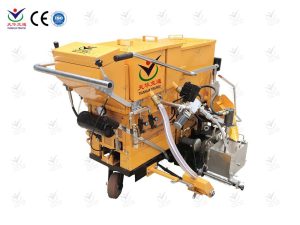
Thermoplastic road marking machines can include hand-push models, self-propelled machines, driving type equipment, extrusion marking machines, screed marking machines, and spray marking systems. Buyers can choose equipment according to working speed, project scale, pavement condition, material type, and local construction habits.
Supply of thermoplastic road marking machines for different project sizes
Suitable for highways, city roads, parking lots, airports, factories, and crosswalks
Available options may include screed, extrusion, spray, and profile marking systems
Machine selection can be based on marking width, heating capacity, and working efficiency
Support for contractors, distributors, road maintenance teams, and traffic safety projects
Product information can include specifications, videos, packing details, and quotation
When choosing a thermoplastic road marking machine supplier, customers should compare machine structure, material flow control, heating stability, line quality, spare parts support, export experience, and technical guidance. A dependable supplier can help reduce purchasing risk and make the machine easier to use in real road marking work.
For buyers planning new road line construction or regular maintenance marking, supplier support is especially important before purchase. Details such as project type, required line width, daily working distance, thermoplastic paint formula, and destination market can help the supplier recommend a more suitable machine configuration.