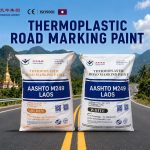
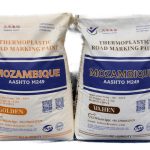
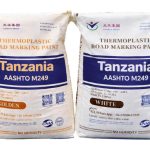
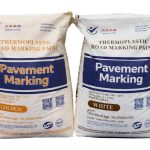
Highway paint is used in one of the most demanding marking environments in the entire traffic industry. Unlike low-speed internal roads or light-duty parking areas, highways expose marking materials to constant traffic flow, higher vehicle speeds, stronger tire wear, weather variation, and longer maintenance intervals. That makes this category fundamentally different from ordinary road paint. Buyers searching for highway paint are usually looking for a material system that can hold visibility, maintain line integrity, and support safer guidance under continuous, high-volume use.
From a procurement perspective, highway paint is rarely judged on price alone. What matters is whether the paint can perform where failure becomes visible very quickly: lane lines that fade too early, edge markings that lose clarity, warning zones that stop guiding effectively, and surfaces that require premature rework. For contractors, distributors, and infrastructure buyers, the value of highway paint lies in its ability to combine application efficiency with long-term service performance. Adhesion, wear resistance, visibility retention, and suitability for large-scale road projects all become part of the decision.
Tianhua Traffic supplies highway paint solutions for buyers who need materials suited to real traffic pressure rather than general-purpose use. This page is intended for road marking professionals comparing products for expressways, trunk roads, intercity corridors, and other high-demand pavement applications. In highway work, the right paint does more than create lines. It supports traffic order, improves recognition, and helps maintain the professional standard expected from major road infrastructure.