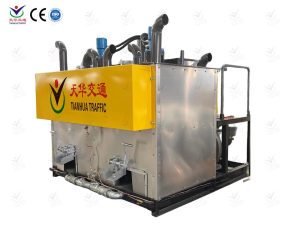
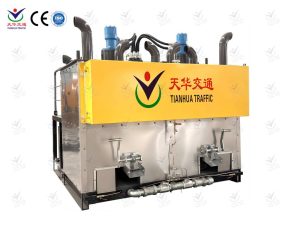
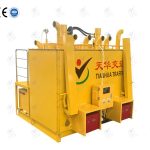
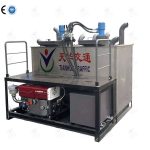
A dual-fuel thermoplastic melting kettle for sale is usually searched by buyers who are already moving from product research into equipment selection. At this stage, the question is no longer whether the kettle can melt thermoplastic material, but whether it can keep production stable under changing fuel conditions, different project environments, and long working hours on site. For serious road marking operations, fuel flexibility is not a cosmetic feature. It can directly influence continuity of work, operating cost control, and the ability to keep crews productive when site conditions are less predictable.
This is why dual-fuel melting kettles attract attention from contractors, distributors, and fleet planners working across highways, municipal road networks, airport service areas, parking facilities, and industrial traffic zones. A well-designed dual-fuel kettle gives operators more choice in how they manage heating, especially in markets where one fuel source may be less available, less economical, or less practical for certain projects. Buyers comparing this category usually focus on more than the sale price. They want to understand how the machine performs in real terms: melting speed, thermal stability, burner adaptability, tank structure, discharge efficiency, and how reliably it supports continuous thermoplastic preparation through a full shift.
Tianhua Traffic offers dual-fuel thermoplastic melting kettles for sale for customers who want equipment built around working reality rather than narrow specification claims. This category is especially relevant for buyers who value flexibility, stronger site adaptability, and more resilient daily operation. For project procurement, distribution, or long-term equipment planning, the right dual-fuel kettle can do more than melt material. It can help protect schedule stability, improve resource flexibility, and give road marking teams a more dependable production base in demanding field conditions.