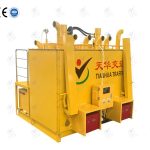
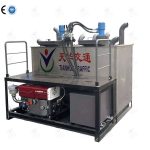
The DOT line marking machine cost depends on the type of pavement marking work, machine configuration, application material, working capacity, and required project standard. For road contractors and municipal maintenance teams, the real cost is not only the purchase price, but also daily productivity, paint consumption, spare parts, maintenance, and long-term machine reliability.
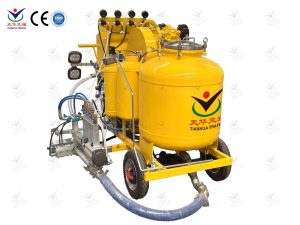
Different DOT-related road marking projects may require different machines. Small maintenance jobs may use a hand-push cold paint line marking machine, while highway striping, long-distance lane marking, or large municipal projects may need self-propelled or vehicle-mounted equipment. Thermoplastic marking systems, cold spray machines, airless stripers, and bead dispensing devices can all affect the final machine cost.
Buyers usually compare DOT line marking machine cost based on project requirements such as line width, marking speed, paint type, road surface condition, operator workload, and construction frequency. A lower-cost machine may be suitable for simple repainting work, while a higher-capacity model can be more efficient for contractors handling regular road and highway projects.
Machine cost varies by model, size, marking system, and configuration
Cold paint, thermoplastic, and airless marking machines have different price ranges
Vehicle-mounted machines usually cost more but support higher working efficiency
Glass bead systems, engines, pumps, spray guns, and accessories can affect quotation
Suitable selection should consider job size, material type, and long-term operating cost
Used for DOT projects, highway striping, city roads, parking lots, and maintenance marking
When evaluating the cost of a DOT line marking machine, contractors should also consider how the equipment performs on real job sites. Stable spraying, clean line edges, accurate width control, easy adjustment, and simple maintenance can reduce downtime and help improve the overall value of the machine.
For customers who need a detailed quotation, it is helpful to provide the marking material, required line width, daily working area, road type, destination country, and preferred machine structure. These details make it easier to recommend a suitable DOT line marking machine and calculate a cost based on actual project needs.